
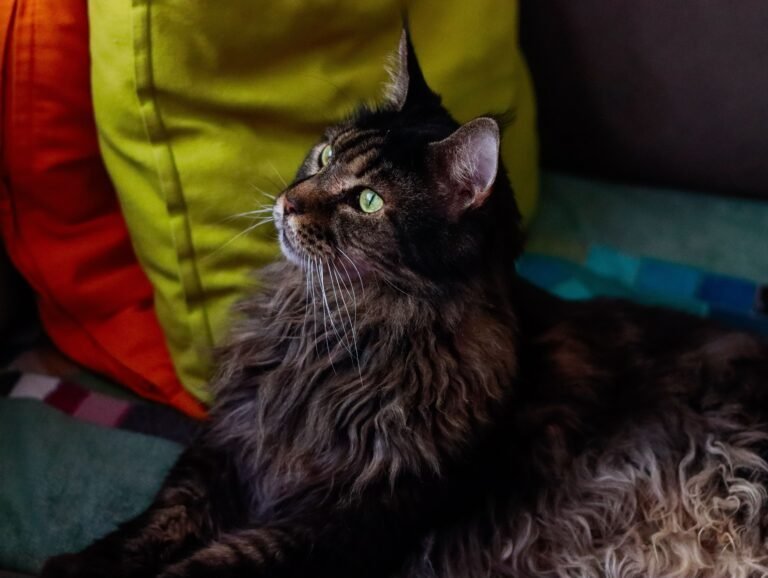
Adult Size
Large
Adult Weight
4-8 kg+
Activity Level
Moderate
Life Expectancy
12-15 years
Area of Origin
Maine, USA
That Maine Coon kitten fits in your hands today. A few years from now, your sofa might feel considerably smaller.
It’s easy to fall for the size and the fluff. In Dubai, the deciding details are more practical: keeping your home cool while you’re out, making time for coat care and budgeting beyond the purchase price.
Before you pay a deposit, here’s what everyday life with a Maine Coon actually involves.
Quick Facts
| Origin | Maine, in the northeastern United States |
| Adult size | A large domestic cat with a long body and substantial frame |
| Adult weight | Males: 6 to 11 kg & Females: 3.6 to 6.8 kg |
| Life expectancy | Around 12-15 years |
| Coat | Long, with regular care needed to prevent tangles |
| Personality | Often sociable and playful |
| Apartment friendly | Yes |
| Heat tolerance | Low, needs AC and shade |
| Grooming | High maintenance, daily gentle combing needed |
What is a Maine Coon actually like to live with?
Many Maine Coons enjoy company. Yours may follow you between rooms, settle beside your laptop or join whatever you’re doing. Individual personalities still matter: some love a cuddle; others prefer a nearby seat.
Give your cat quiet places to retreat, introduce people and pets gradually, and let them choose when to interact. Being sociable doesn’t mean wanting attention all day.
The Pros
Maine Coons are popular for good reason.
Many enjoy staying close to their people, whether you’re working at your desk or relaxing on the sofa.
Interactive toys and supervised games can make daily time together enjoyable for you and your cat.
They can suit households with children who handle cats gently and respect their space.
Indoor living can work with daily play, sturdy climbing furniture and quiet places to rest.
The Cons
Maine Coons are not effortless cats.
Their long coat needs daily attention to help prevent tangles and uncomfortable matting.
Litter trays, carriers and climbing furniture need to fit a large adult cat and support its weight.
Food, litter, veterinary care and grooming help all need a place in your budget.
Discuss heart and joint risks with your vet, and review breeders’ health-screening records before buying.
A simple first-year budget helps: list equipment, food, litter, routine vet visits and care while you travel. Get local quotes for the services you’ll use, and leave room for unexpected veterinary bills. The purchase price is only the first payment.
Maine Coon cat care in Dubai
Start with the adult cat you expect to have. Before buying equipment, check dimensions and weight limits. A kitten-sized perch may have a shorter career than you expect.
Your home setup should include:
- A litter tray with room to turn and dig comfortably.
- A carrier that allows your cat to stand, turn and lie down.
- Stable climbing furniture and sturdy scratching posts.
- Toys for supervised play, plus quiet resting places away from direct sun.
- Secure windows and balconies.
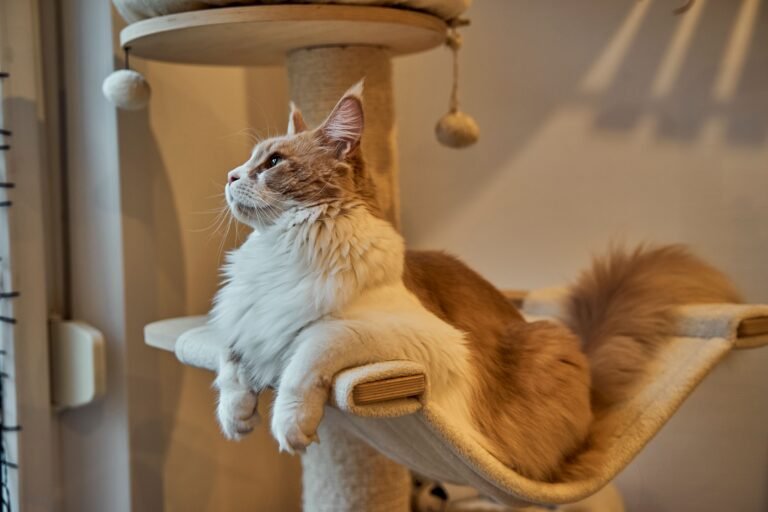
Watch what your cat actually uses. A favourite hiding spot and daily play may matter more that another expensive accessory. If you work long hours, plan who will check on your cat and keep its routine consistent.
Can Maine Coon cats live in hot weather?
Yes, provided their environment stays suitably cool. In Dubai, keep your Maine Coon indoors during the heat and minimise exposure when travelling.
Check the rooms your cat uses: a sunny corner can become uncomfortable even when the rest of the apartment feels fine. Parked cars, enclosed balconies and sunrooms can become dangerous.
Have a plan for an air-conditioning failure, including access to a cooler, safe place. Keep the carrier ready. A fan alone won’t reliably cool an overheating room.
How to keep a Maine Coon cool in summer
Make these checks part of your daily routine:
- Keep fresh drinking water available.
- Provide shaded resting places away from hot windows.
- Check that the air conditioning is working before leaving home.
- Keep journeys brief and use a cooled vehicle.
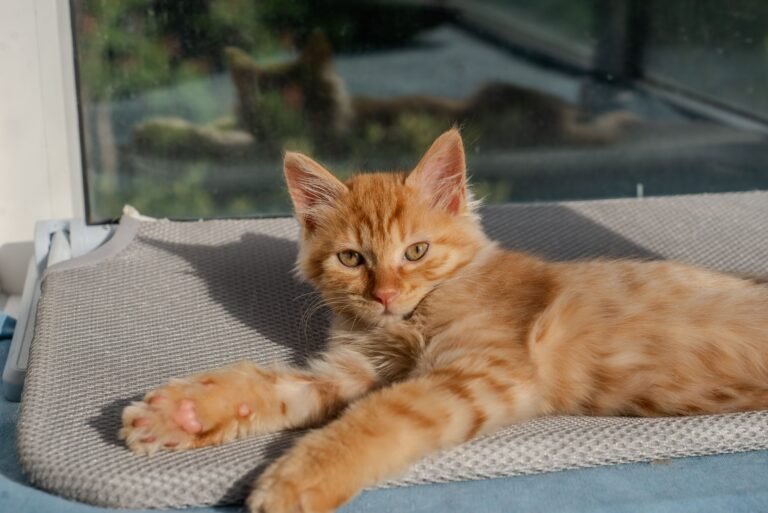
Open-mouth breathing, marked weakness or collapse needs urgent veterinary attention. Move your cat to a cool area and contact a vet immediately. TopVet’s heat stroke guide for dogs and cats explains warning signs and what to do next.
How often should you groom a Maine Coon?
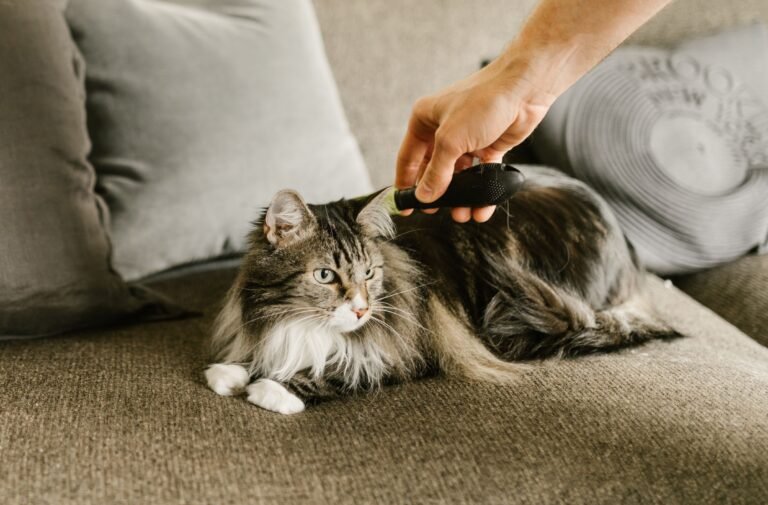
Check the coat daily and make gentle combing a regular habit. PDSA recommends daily coat care for Maine Coons, although the time needed varies with the individual coat.
Start with a few comfortable strokes and reward calm behaviour. Work up to longer sessions gradually. A brush can tidy the surface while leaving knots underneath, so check carefully behind the ears, under the front legs and around the hindquarters.
How to prevent Maine Coon fur matting
Catch tangles early, before they tighten against the skin. Pay attention if your cat starts grooming less or struggles to reach part of its body; that change may need veterinary assessment.
Avoid pulling at tight mats or cutting them out with scissors. Skin can become trapped in the fur. Soreness, tight matting or resistance to handling is a reason to get help. Ask TopVet’s pet grooming team which tools suit your cat and whether professional coat care is needed.
Choosing the best food for Maine Coon kittens
Choose a complete, balanced food formulated for growth. Check the nutritional adequacy statement rather than relying on words such as “premium” on the packaging.
WSAVA’s guidance encourages owners to ask about the manufacturer’s nutritional expertise, formulation and quality controls. A breed-specific label is optional; suitability for your kitten’s growth, digestion and appetite matters.
Ask the breeder for the current food and feeding routine. Count wet food, dry food and treats towards the same daily intake, and avoid supplements unless your vet recommends them.
Maine Coon kitten feeding chart by age
For healthy, weaned kittens, Cornell’s general guidance is three meals daily before six months and two from six months to one year. Your vet can adjust the routine for your kitten.
| Age | Starting routine | What to review |
| Weaning to under 6 months | Divide the daily allowance into 3 meals | Growth food, weight gain, appetite and stools |
| 6 to under 12 months | Usually 2 meals daily | Portions, activity, neutering and growth |
| 12 months onward | Usually 2 measured meals daily | Adult-food transition and body condition |
There is no universal gram allowance: foods differ in calories, and kittens differ in size. Use the label as a starting point, then adjust with veterinary advice. TopVet’s pet nutrition counselling can help you review portions and food choices.
How much should a Maine Coon cat weigh?
PDSA’s figure of around 7 kg provides context, but your cat’s frame and body condition determine a suitable weight. A giant Maine Coon on social media isn’t a feeding target.
Weigh your cat regularly and keep a record. Fur can hide weight changes, so ask your vet to show you how to assess body condition. Unexplained weight loss, gain or appetite changes deserve a check-up.
When do Maine Coon cats stop growing?
The International Cat Association’s Maine Coon profile says full size can take three to five years.
That slow development doesn’t mean feeding kitten food for five years. Discuss the transition to adult food with your vet around the first birthday, taking your cat’s growth and body condition into account.
Common health issues
The health issues worth knowing about:
Thickening of the heart muscle that can reduce heart function. Some affected cats show no obvious symptoms.
Abnormal hip joints that can cause limping and difficulty walking, particularly in the back legs.
A kneecap that slips out of position, sometimes causing limping or difficulty using the back legs.
An inherited condition that causes muscle wasting and an unsteady gait, with signs usually appearing during kittenhood.
Excess weight can limit activity and worsen other health problems. A Maine Coon’s large frame can make weight gain easier to overlook.
Gum inflammation and tooth problems can cause mouth pain and make eating uncomfortable.
Regular veterinary checks, weight monitoring and dental care help you keep track of your Maine Coon’s health. Bring any breeder health records to your appointment and ask which screening tests are appropriate. Breathing difficulty or sudden painful weakness in the back legs needs urgent veterinary attention.
What to ask Maine Coon breeders before paying a deposit
A lovely photo tells you little about a kitten’s health or upbringing. Ask for:
- Parent health records, including relevant heart screening.
- Vaccination and parasite-control records.
- Microchip details and pedigree documents, where applicable.
- The kitten’s age and experience of handling and household life.
- Its current food and routine.
- Written purchase terms and the process for raising health concerns.
Registration and a high price cannot guarantee lifelong health. Have a vet review the available records, and plan your kitten’s first check-up. TopVet’s vaccination and microchipping service can help you review preventive-care needs.
Frequently Asked Questions
Pets In Dubai’s guide quotes AED 3,000-7,000 for pet kittens and AED 7,000-12,000+ for registered kittens; its product listing asks AED 8,000. These are seller examples, not a verified UAE average. Check health records and what the quoted price includes before paying.
Often, yes. Many enjoy company and play, and can suit families or apartment living. The individual cat’s temperament matters. Meet the kitten, ask about its behaviour and consider whether regular grooming and daily interaction fit your household.
There is no verified worldwide average. These UAE and US references give you concrete asking prices to compare:
| Market | Published price reference | Source |
|---|---|---|
| UAE | AED 8,000 for the listed kitten | Pets In Dubai listing |
| United States | Breeder range: USD 2,500-5,000+; its own kittens start at USD 3,500 | Lake View Coons FAQ |
References recorded on 12 October 2026. Asking prices can change and exclude transport or import costs.
The Ashera is the name commonly attached to that headline; Catster lists a figure up to USD 125,000. However, the Savannah Cat Association’s Ashera account describes it as a marketing label for Savannah cats, with confiscated examples identified through DNA testing. It is a disputed luxury claim, not a recognised separate breed with a standard price.
The first three entries in Catster’s high-end cat price list are:
| Name used in the list | Catster’s quoted price, USD |
| Ashera | Up to $125,000 |
| Savannah | $10,000-50,000 |
| Bengal | $10,000-25,000 |
These are attributed high-end figures, not typical purchase prices or a verified global ranking.
Plan your Maine Coon's first vet visit
Before your kitten settles into its new routine, book a TopVet wellness exam. Bring the food packaging, vaccination history and any breeder health-screening records.
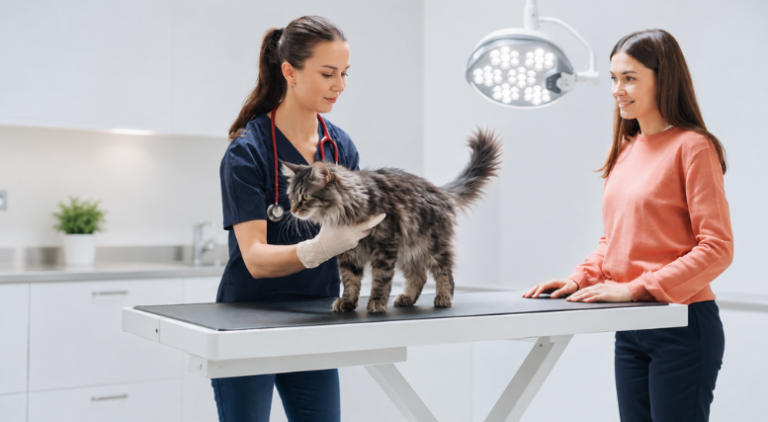
Ask the vet to establish a weight and body-condition baseline, review daily portions, check the coat and skin, and discuss preventive care and any appropriate screening. If you already own a Maine Coon, bring the questions your routine has raised.
Ask what to monitor at home and when to return for a review.