
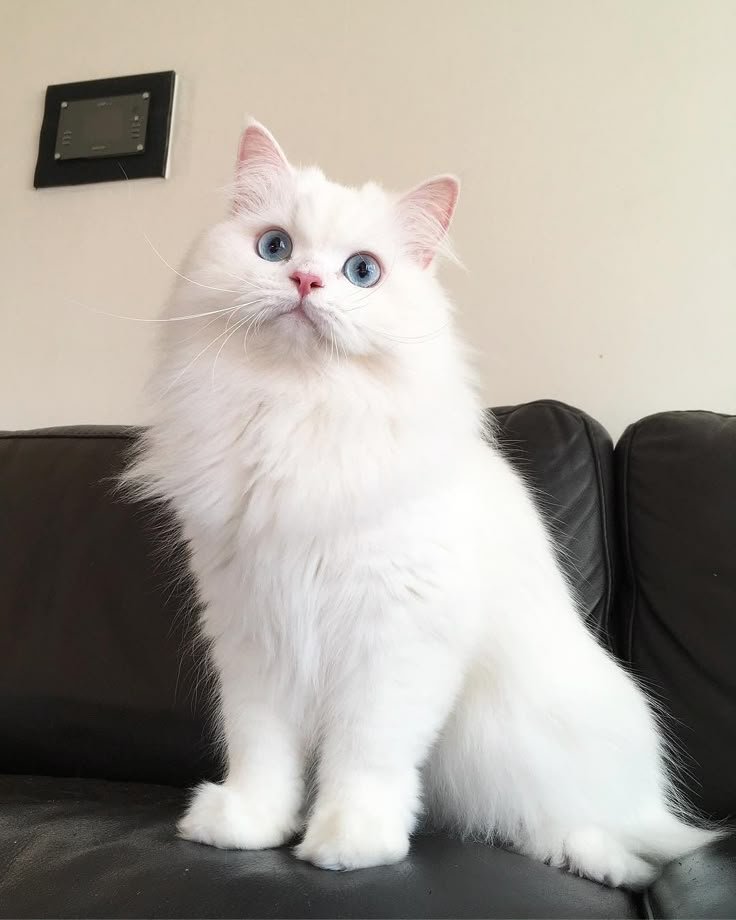
Pet of the Week: The Persian Cat
Each week, we take a close look at one breed and discuss what responsible ownership actually requires. Not the romanticized version. Not the breeder’s pitch. The reality that shapes a pet’s long-term well-being.
This week, we’re focusing on Persian cats.
Most people fall for Persian cats because of how they look and how they behave in calm moments. The appeal is obvious: a serene companion with an elegant presence. What becomes clear over time is that this breed doesn’t coast on low effort. Persian cats need attentive care that’s built into daily life, not squeezed in when convenient. Without it, issues accumulate quietly, often showing up only after they’ve become harder to manage.
If you’re considering a Persian cat or already own one, understanding this upfront makes all the difference.
Understanding the Persian Cat as a Breed
Persian cats aren’t built for chaos or constant stimulation. They gravitate toward calm environments where the rhythm of daily life stays relatively stable. Given the right setting, they form strong attachments and show affection in quiet, consistent ways.
That preference for routine and predictability makes them well-suited to smaller living spaces, but it also creates a dependence on reliable care. These cats don’t adapt well when basic needs get postponed. A few days of neglected grooming or overlooked eye cleaning can escalate faster than owners expect, especially compared to hardier breeds. Heat stress follows a similar pattern—what seems minor initially compounds quickly
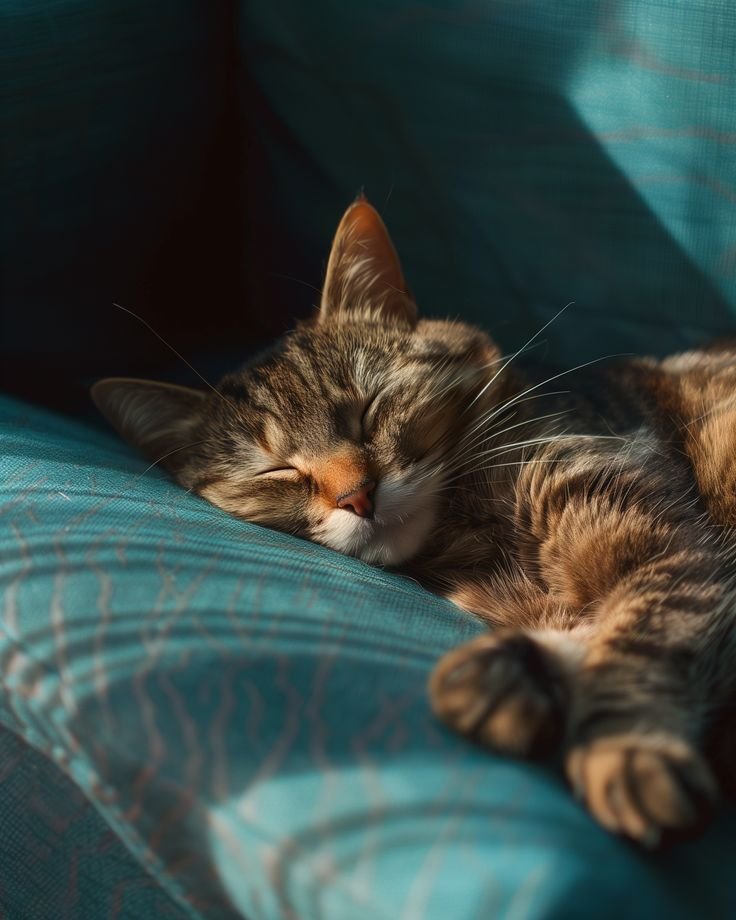
Grooming Is a Health Responsibility
One of the most common misconceptions about Persian cats is treating grooming as cosmetic. It is not.
The Persian coat is long and dense. Without regular attention, it mats close to the skin, traps moisture, and creates discomfort. By the time matting becomes obvious, irritation is usually already present. In many cases, skin infections follow.
Daily grooming allows owners to maintain comfort, reduce hairballs, and notice early changes in the skin. It is also why many responsible owners eventually treat professional grooming as part of routine care rather than an occasional service.
In a warm climate like Dubai, proper coat maintenance also plays a role in temperature regulation and overall comfort.
Bathing and Coat Comfort
Unlike short-haired cats, Persian cats benefit from regular bathing when it is done correctly. Controlled bathing helps manage excess oils, keeps the coat light, and reduces skin irritation.
The risk lies in poor technique. Incomplete drying or unsuitable products often cause more harm than benefit. This is one of the reasons many owners prefer professional support for this part of care. The goal is not frequency. The goal is correct execution.
Eye Care Is Not Optional
The flat facial structure that defines the Persian cat also creates one of its most common challenges: tear overflow.
Without daily cleaning, moisture builds up around the eyes and facial folds. Over time, this leads to staining, irritation, and infection. Gentle daily eye hygiene is a small task, but it has a significant long-term impact on comfort and health.
Persistent redness, swelling, or discharge should never be ignored. Eye problems in Persian cats rarely resolve on their own and tend to worsen quietly if left untreated
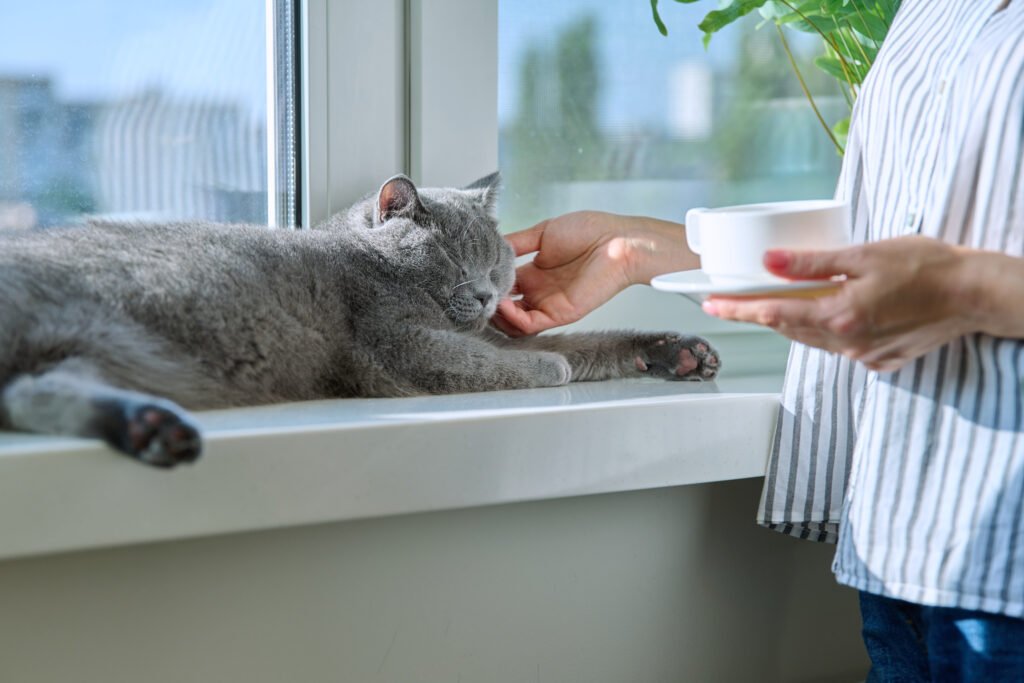
Feeding Decisions That Actually Matter
Persian cats are not highly active animals, which makes diet decisions especially important. Overfeeding leads to weight gain. Poor-quality food affects coat condition and digestion.
A suitable diet supports skin health, coat quality, and hairball control while maintaining proper hydration. Many Persian cats benefit from wet food as part of their routine, as they are not always enthusiastic water drinkers.
Supplements should never be added casually. More is not better. Dietary changes should be deliberate and, when needed, guided by a veterinarian.
Activity, Environment, and Heat Management
Persian cats enjoy gentle interaction rather than intense activity. Short play sessions and calm engagement suit them best. Overexertion, especially in warm conditions, can cause stress and breathing discomfort.
In Dubai, indoor temperature control is essential. Air-conditioned spaces, clean resting areas, and routine hygiene are not luxuries for Persian cats. They are necessities.
Frequently Asked Questions
Is a Persian cat really high-maintenance?
Can skipping grooming really cause health problems?
How often should a Persian cat see a veterinarian?
Are Persian cats suitable for Dubai’s climate?
Final Thoughts
The Persian cat is a rewarding companion. Calm, affectionate, and elegant, this breed brings a quiet presence into a home. But Persian cats rely heavily on informed, consistent care.
When grooming is regular, eye hygiene is routine, diet is appropriate, and veterinary care is not delayed, Persian cats live comfortable, healthy lives. When these areas are ignored, problems tend to appear late and escalate quickly.
Caring well is not about doing everything. It is about doing the right things, consistently.
For Persian cat owners in Dubai, Top Vet Clinic, Al Jaddaf provides professional grooming, routine health check-ups, and veterinary care tailored specifically to the needs of Persian cats.