Book a dental check if your dog has persistent bad breath, visible tartar, sore-looking gums or a change in how they chew. Your vet can examine their mouth and tell you whether they need a professional cleaning or another treatment. Dogs can keep eating even when their mouth hurts, so changes in how they eat are worth mentioning.
You might notice a brown line near a tooth when your dog yawns. At dinner, the dog who used to crunch through their kibble might start dropping pieces beside the bowl. Knowing when a change began gives your vet a starting point for the exam.
How can I tell if my dog needs a dental check?
Bad breath, visible tartar and changes in chewing
A smell that lingers, a hard yellow or brown deposit near the gums, or gums that look red or bleed are all reasons to book a check. Watch for changes during meals and play, too. Your dog might favour one side of their mouth, drool more than usual or lose interest in a favourite chew toy. Possible causes include gum disease and broken teeth.
Call a vet promptly if you notice facial swelling, a broken tooth or difficulty eating. Describe what you’re seeing so the clinic can advise how soon your dog should be seen.
What to tell the clinic when you call
Make a few notes about what you’ve noticed during your dog’s usual routine.
- When it started. Mention the first time you noticed the smell, build-up or change in chewing and whether it’s getting worse.
- What happens at mealtimes. Say if your dog is leaving dry food, chewing on one side or taking longer to finish. If a dog walker or daycare handles a meal, ask what they’ve noticed.
- Relevant history. Have a list of your dog’s medications, any previous dental treatment and any problems they’ve had with anaesthesia.
A photo or short video can help if you can take it while your dog is comfortable. If you’re visiting a new clinic, bring any dental records you have.
What happens during a veterinary dental cleaning?
What the vet looks for during the exam and on dental X-rays
Professional dog teeth cleaning starts with an assessment. Your vet will look at the teeth and gums your dog will comfortably let them see while awake and check their general health. If the vet recommends a cleaning, they’ll discuss the procedure and any tests that could help assess anaesthetic risk. Ask whether the first appointment is for the exam alone so you can leave enough time for the visit.
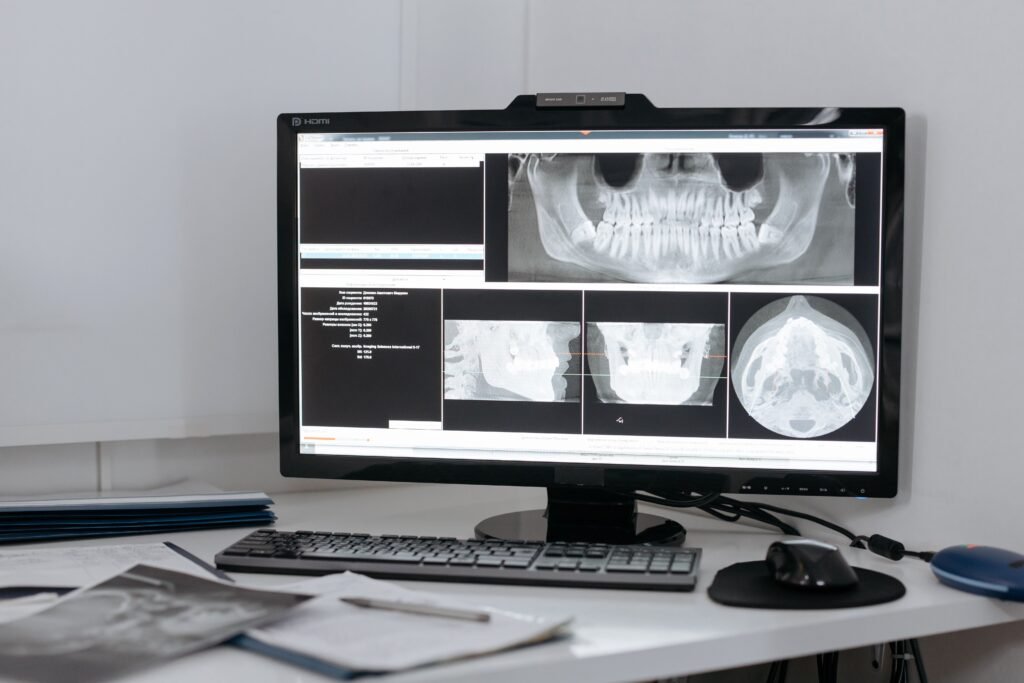
During the procedure, the team can examine each tooth more closely. Dental X-rays show the roots and surrounding bone, where a problem can be hidden beneath a tooth that looks fine from above. The team can remove plaque and tartar above and below the gumline and then polish the teeth.
The exam and X-rays help the vet decide whether a tooth needs further treatment, such as an extraction. For example, if gum disease has damaged the bone that holds a tooth in place, that finding can change the vet’s treatment plan.
Why anaesthesia is used and how the team monitors your dog
General anaesthesia keeps your dog still and allows the team to work below the gumline, where probing or cleaning can be uncomfortable. A breathing tube helps protect the airway from fluid and debris. The team checks vital signs during the procedure and continues monitoring as your dog wakes up. Ask which checks they recommend beforehand and how they’ll monitor breathing and circulation.
You may see dog teeth cleaning without anaesthesia advertised. The World Small Animal Veterinary Association advises against awake scaling. It can leave disease below the gums untreated and can cause pain or stress.
What can I do for my dog’s teeth at home?
What brushing can do for plaque and when tartar needs veterinary care
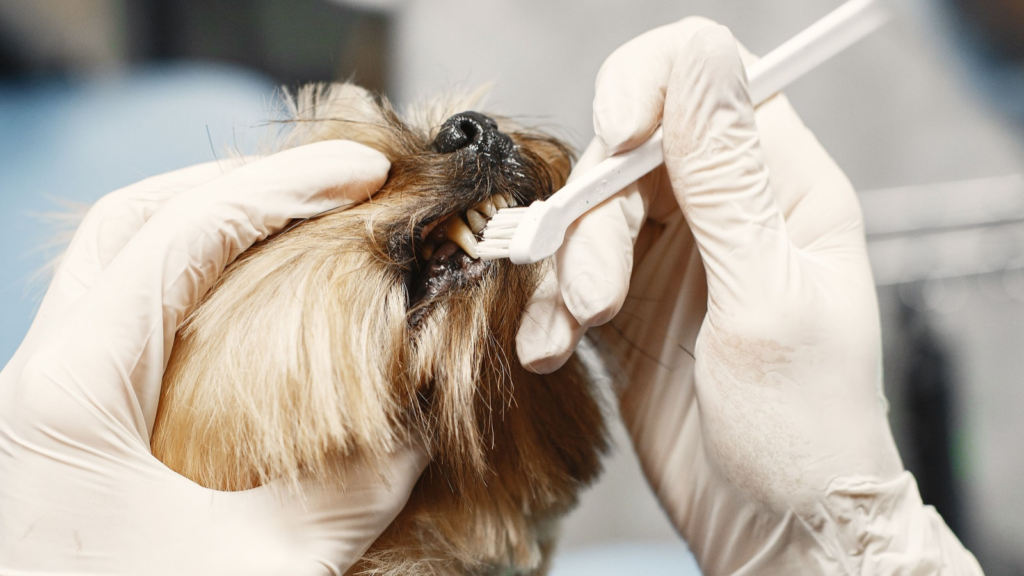
Plaque is a soft film that builds up on teeth. Brushing your dog’s teeth regularly helps remove it before it hardens into tartar. Once you can see hard deposits, bring them up with your vet so they can assess the teeth and gums and advise whether a cleaning is needed.
If your dog’s mouth is comfortable and your vet says it’s a good time to start, use a soft brush and dog-safe toothpaste. Begin with a brief touch around the lips and a reward. Build up to brushing the outside of a few teeth, then gradually cover more of the mouth. Aim for daily brushing once your dog is comfortable with it. Pick a quiet part of a routine you already share, such as when they settle down after their evening walk. If they pull away or seem sore, pause and ask your vet how to proceed.
How your vet decides when to recheck your dog’s teeth
Ask your vet to check your dog’s mouth during routine wellness visits. The time between dental checks depends on what the vet finds, your dog’s dental history and how well home care is working. If your dog is newly adopted and you have little dental history, mention it. The vet can use the first check as a baseline. Before you leave, ask when they’d like to recheck your dog’s teeth.
What should I ask before booking in Dubai?
What the estimate includes and what can change the cost
When comparing the cost of dog dental cleaning in Dubai, ask for an itemised estimate in AED. One clinic’s quoted price may cover scaling and polishing, while another may include dental X-rays and pre-anaesthetic blood work. Ask whether anaesthesia, monitoring and any take-home medication are included. If the exam under anaesthesia reveals a tooth that needs extraction, ask how the clinic will reach you to discuss the findings and any changes to the estimate.
What to ask about preparation and recovery
Ask the clinic for instructions on food, water and regular medicines before the appointment. If you’re fitting the visit around a workday in Dubai, confirm the drop-off and likely collection times before you arrange transport. Give the clinic a number you can answer during the procedure.
At pickup, ask for written instructions on feeding, prescribed pain relief, when to resume brushing and whom to call if you’re worried. If someone else is collecting your dog, have them get a copy too.
Frequently asked questions
Is my dog too old for anaesthesia?
The decision depends on your dog’s overall health and the expected benefit of treatment. Tell your vet about any existing conditions and medications, and ask whether they’d recommend additional checks before treating a senior dog.
What if my puppy has a baby tooth next to an adult tooth?
Arrange a vet check. A baby tooth that stays in place as the adult tooth comes through can cause crowding or change how the teeth meet. Your vet can check the bite and advise on timing and treatment.
Do dental chews help?
Some dental chews can help control plaque or tartar. The Veterinary Oral Health Council’s seal identifies products that meet its standards for either or both. Ask your vet which options suit your dog’s size and chewing habits and how to use them alongside brushing.
Book a dental check in Al Jaddaf
If you’ve noticed a change in your dog’s mouth or eating habits, TopVet Clinic can help you work out the next step. Ask for a dental assessment at our Al Jaddaf clinic. Book on WhatsApp or learn more about TopVet’s dentistry service.