
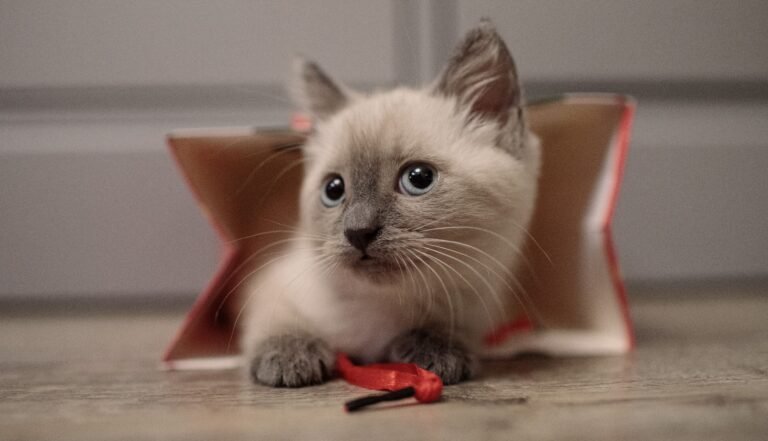
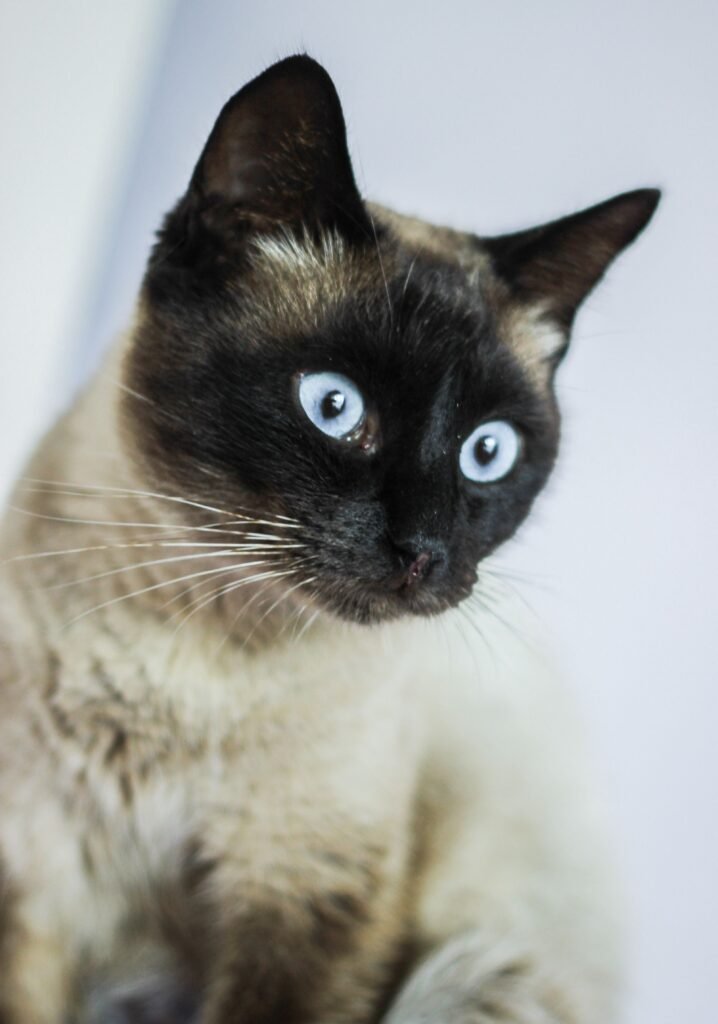
Let’s be honest: Siamese cats are hard to ignore. The bright blue eyes, the dramatic dark points, the voice that absolutely will not be ignored, it’s a lot of personality packed into one medium-sized cat.
And that’s kind of the point of this guide. Siamese cats aren’t just a “look.” They’re one of the most people-focused cat breeds out there, which means they’re not the right fit for every home. Before you start searching for Siamese cat breeders in the UAE, it’s worth understanding exactly how much interaction, play, and companionship this breed expects from you.
Here’s everything you need to know.
Meet the Siamese: Origin, Looks, and Personality
The quick-facts version
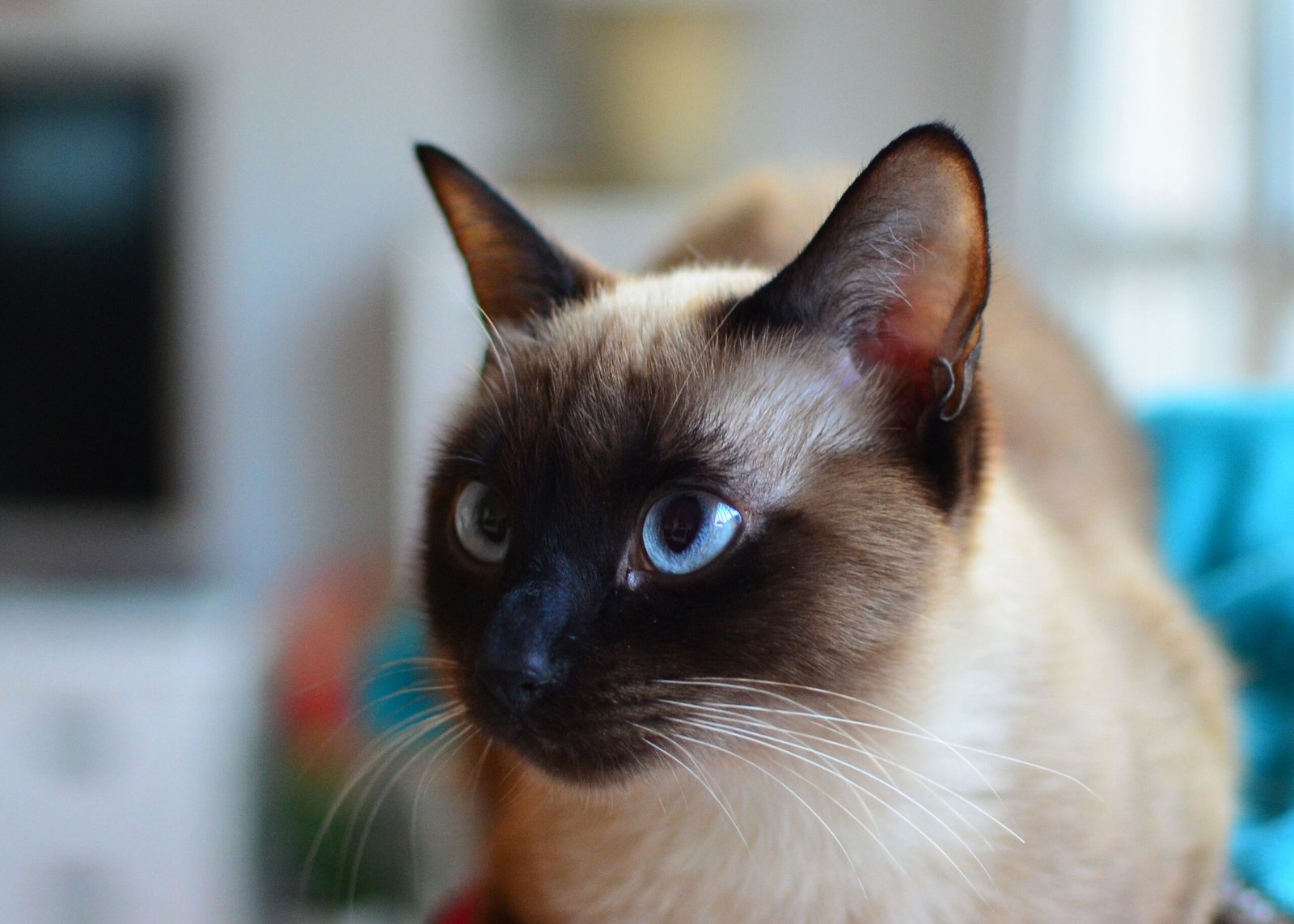
The Governing Council of the Cat Fancy sums the breed up well: outgoing, vocal, and typically living 10-15 years
Where did Siamese cats actually come from?
Thailand, which was called Siam until 1939. Encyclopaedia Britannica’s history of the breed traces its roots to Asia and notes its long association with Thailand. Historical Thai writings and artwork describe pale cats with darker faces, ears, paws, and tails. The stories about royal temples and sacred guardianship are fun folklore, but they are better treated as tradition than documented fact.
The breed made its way to Europe in the late 1800s and quickly became known for that colour-pointed coat and striking blue eyes. Later, selective breeding produced the longer, more angular Siamese you’ll often see at cat shows today.
You might also come across the terms “traditional Siamese” or “applehead Siamese” – these describe cats with rounder heads and sturdier bodies. Not every registry classifies them the same way, and some treat the old-style cat as its own breed, called the Thai. If pedigree matters to you, don’t guess based on looks. Ask the breeder which registry the kitten belongs to and check the paperwork.
What does a Siamese cat actually look like?

Picture a long, lean, muscular body, a wedge-shaped head, large ears, and big almond-shaped eyes in a vivid blue. Add a short coat that’s smooth, fine, and sits close to the body, and you’ve got the general idea.
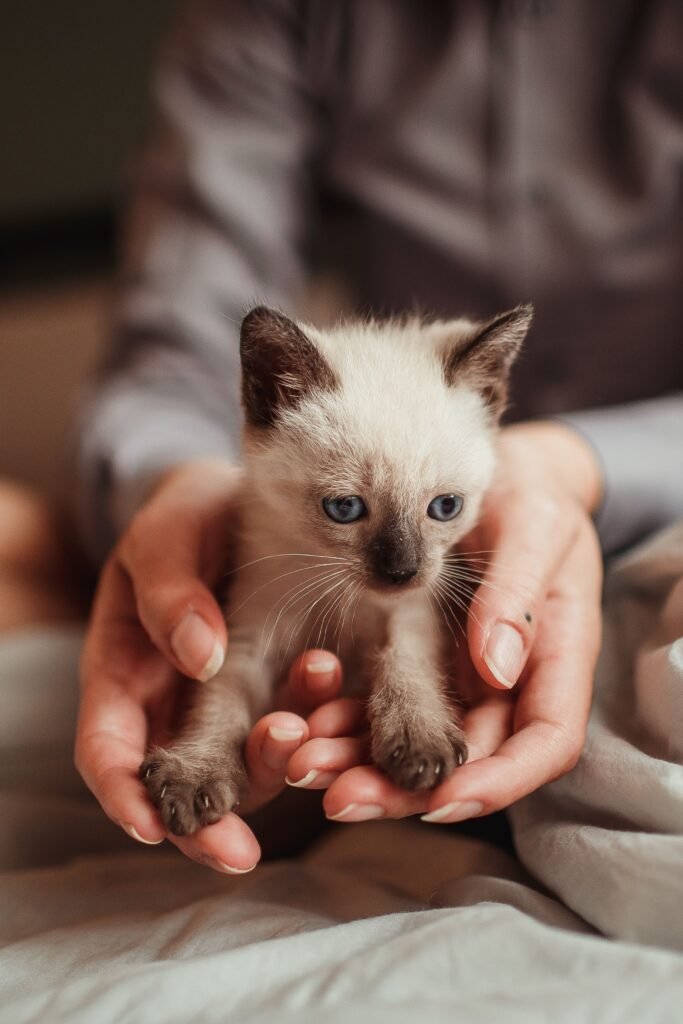
The darker face, ears, legs, and tail are called “points,” and there’s real science behind them, a temperature-sensitive pigment gene means cooler areas of the body develop more colour. That’s why Siamese kittens are born very pale, with their points becoming more defined as they grow (and often darkening further with age).
The Cat Fanciers’ Association recognizes four principal Siamese colours:
- Seal point: deep brown points, pale cream or fawn body
- Chocolate point: warm milk-chocolate points, lighter body
- Blue point: cool blue-grey points, bluish-white body
- Lilac point: pale grey-pink points, frosty white body
Other registries recognize more colours and patterns beyond these four. One thing worth remembering, though: blue eyes and a pointed coat don’t automatically mean you’re looking at a pedigree Siamese. Domestic cats and Siamese mixes can have that same colouring.
So what's a Siamese actually like to live with?
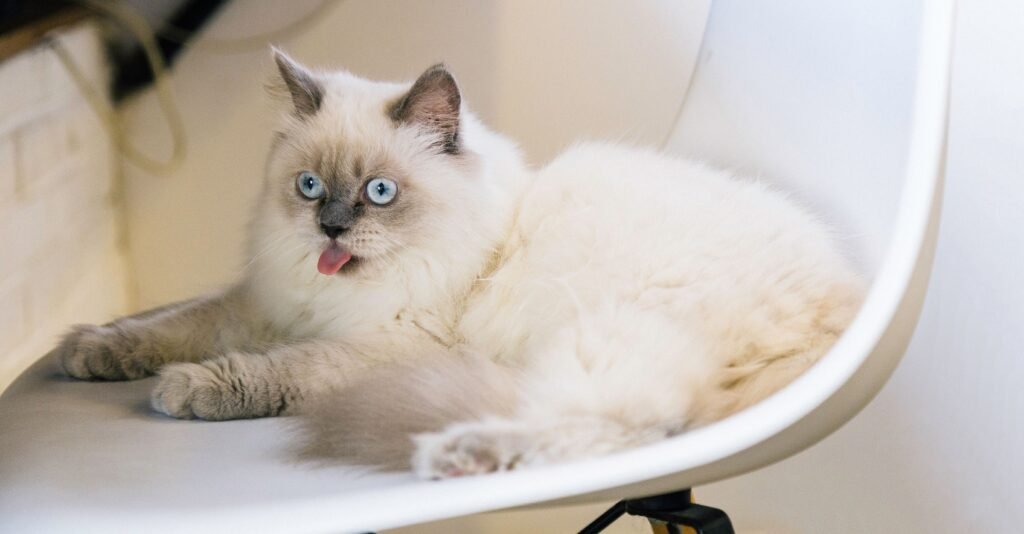
If you’re picturing a quiet, independent cat who disappears for most of the day, that’s not a Siamese.
This breed tends to be outgoing, curious, and deeply attached to their people. Many Siamese cats greet you at the door, supervise whatever you’re doing around the house, and settle beside (or directly on top of) the person they trust most. People often describe them as “dog-like,” and it’s not a stretch. Some Siamese learn to play fetch, walk on a harness, or respond to simple cues.
That intelligence needs somewhere to go. Puzzle feeders, climbing shelves, cat trees, short training sessions, and interactive toys all help keep boredom at bay. Try rotating toys instead of leaving the same pile out day after day, a wand toy that mimics prey movement will usually beat a ball just sitting on the floor.
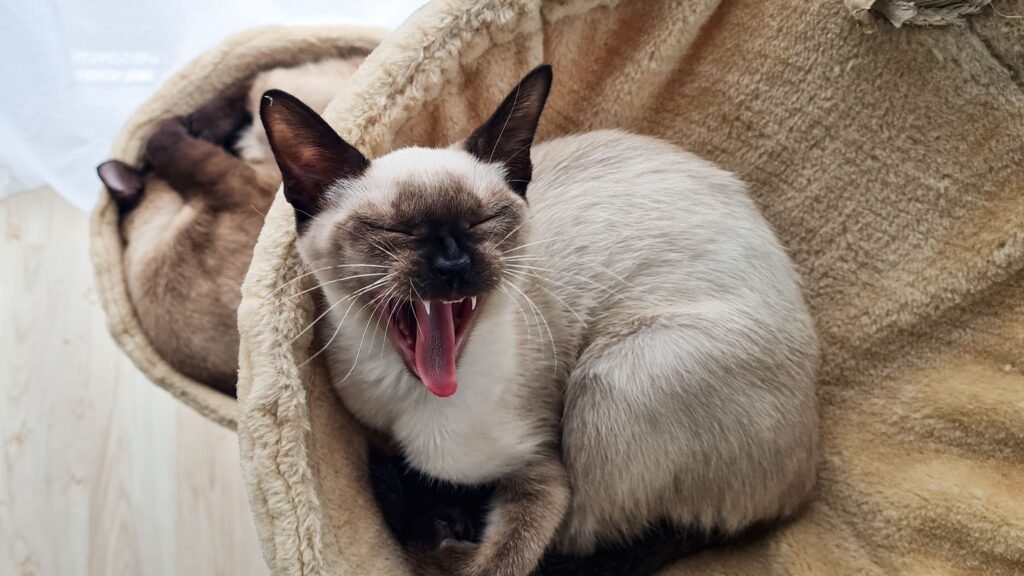
And then there’s the voice. Siamese cats are famous for their raspy, insistent, sometimes weirdly conversational calls that some owners find utterly charming and others find a little much at 5 a.m. when breakfast is running late. If you’re hoping for a quiet household, they might test that hope.
Life with a Siamese in the UAE
Can a Siamese cat actually thrive here?
Yes, as long as the indoor environment is cool, safe, and stimulating. A few things worth keeping in mind if you’re in Dubai or elsewhere in the UAE:
- Keep them indoors, especially during the hottest months. Heat, hot pavement, traffic, and open construction sites make unsupervised roaming genuinely risky. TopVet’s Dubai heat-stroke guide for dogs and cats explains the warning signs and first-aid steps to know.
- Secure balconies and windows with pet-safe netting or screens. Siamese cats are athletic, and curiosity tends to override caution.
- Offer plenty of water, several bowls or a fountain and keep an eye on how much your cat is drinking. Wet food can help boost water intake if it fits their diet and health needs.
- Build vertical space indoors with stable cat trees, shelves, and window perches.
- Don’t leave them alone all day without a plan for companionship and enrichment. Some Siamese do well with a compatible feline companion, but introductions should always be gradual.
- Use the AC wisely. Air conditioning makes indoor life more comfortable, but avoid parking the cat’s bed directly in a cold draught, give them options so they can move between cooler and warmer spots.
Will a Siamese get along with kids and other pets?
Generally, yes. A well-socialized Siamese can be a playful, affectionate family cat that lives happily alongside respectful children, other cats, and cat-friendly dogs. Busy households often suit them well, since there’s usually someone around for company.
That said, individual temperament matters. Siamese cats can be intense, sensitive, and a bit possessive of attention. Teach young children not to chase, grab, or disturb a sleeping cat, and introduce new pets slowly with separate food, water, litter, and resting spaces for everyone involved.
What about exercise and training?
Skip the idea that a quick cuddle and a bowl of food will cover it. Siamese cats do best with several short play sessions spread across the day, especially around dawn and evening, when cats are naturally more active. Chasing, climbing, and pouncing games let them use their natural hunting instincts indoors.
Because they’re clever and food-motivated, many Siamese respond well to reward-based training. You can teach carrier training, recall, target touching, even harness walking. Keep sessions short, stop while your cat is still interested, and skip punishment altogether. It tends to create fear and erode trust rather than teach the behaviour you’re after.
How much grooming does a Siamese actually need?
Not much, honestly. A gentle weekly brush is usually enough to remove loose hair and keep the coat glossy, and baths are rarely necessary unless your vet recommends one. If you’d rather leave it to a professional, in-clinic grooming services are an option too.
But “low coat maintenance” doesn’t mean “no care needed.” A good routine should still include:
- Nail trimming as needed
- Checking ears for redness, odour, or discharge
- Dental care with cat-safe products your vet recommends
- Flea, tick, and parasite prevention suited to your cat’s lifestyle
- Routine vet exams, vaccinations, and microchipping
Starting these habits in kittenhood makes handling much easier down the line.
What should you feed a Siamese cat?
Stick to a complete, balanced cat food matched to your cat’s age, weight, and health. A healthy Siamese should look slender but muscular and not bony. On the flip side, extra weight puts strain on the joints and raises the risk of several health issues.
Measure portions instead of continuously topping up the bowl, and keep treats to a small share of the daily diet. If your cat suddenly loses weight, seems unusually hungry, stops eating, or starts drinking a lot more than usual, book a vet visit rather than just switching foods.
What health issues should you watch for?
Most Siamese cats live long, healthy lives, especially when they come from carefully managed lines and get consistent preventive care. No breeder can guarantee a kitten will never get sick, but responsible health screening can lower certain inherited risks.
A few conditions linked to the breed:
- Progressive retinal atrophy (PRA): An inherited condition that gradually damages the retina and can lead to blindness. The UC Davis Veterinary Genetics Laboratory lists PRA testing for Siamese cats. Ask breeders for the parents’ actual test results rather than accepting “vet checked” as proof of genetic screening.
- Amyloidosis: This happens when an abnormal protein called amyloid builds up in organs, and Siamese cats are among the breeds associated with the liver form of the condition. The genetics here aren’t as clear-cut as PRA, so it’s worth asking directly about health issues or unexplained early deaths in the breeding line.
- Eye, respiratory, and dental problems: Some Siamese may develop eye or respiratory issues, and dental disease can affect any cat. Book a vet visit if you notice vision changes, persistent coughing, noisy breathing, bad breath, trouble eating, or unexplained weight loss. Sudden behaviour changes are worth a look too, pain can easily be mistaken for irritability or aggression.
Annual wellness checks help catch small problems early, and your vet may suggest more frequent visits for kittens, seniors, or cats with existing conditions. Sudden breathing trouble, collapse, seizures, or severe weakness are emergencies – don’t wait for a routine appointment.
Finding (and Choosing) the Right Siamese for You
Where to actually find Siamese cat breeders in the UAE
Siamese kittens show up in Dubai and across the UAE through catteries, pet shops, and online marketplaces and those are not interchangeable. A shop may have simply sourced or imported a kitten rather than bred it, and an ad describing a cat as “pure Siamese” isn’t proof of pedigree or responsible breeding.
There’s no single UAE listing where every seller can be trusted automatically. Treat registry membership as one useful check among several, not a guarantee, and look closely at how the breeder actually operates.
Before handing over a deposit, ask for:
- The breeder’s or seller’s valid UAE business and animal-trading licence details, where applicable
- The kitten’s registration certificate and pedigree from a recognized registry (CFA, TICA, FIFe, or GCCF)
- The registered names and numbers of both parents, so the pedigree can be verified
- Proof of PRA genetic testing for the parents, plus a clear family health history
- Veterinary records covering exams, vaccinations, deworming, and microchip details
- FIV and FeLV test information for the parents or kitten, as advised by a vet
- The kitten’s date of birth, and confirmation it’s fully weaned and old enough to leave its mother
- A written contract covering health terms, spay/neuter requirements, and what happens if you can no longer keep the cat
- Import and country-of-origin documents, if the kitten was brought into the UAE
Whenever you can, visit the kitten where it was raised and watch it interact with its mother and littermates. The space should feel clean, calm, and genuinely built around the cats’ wellbeing. The Cats Protection kitten-buying guide recommends checking the kitten’s environment, health, socialisation, vaccinations, and microchip status. A good breeder will ask you questions too. Anyone who cares where their kitten ends up will want to know about your home, schedule, and other pets.
A few red flags worth walking away from: a seller who refuses a visit or video call, can’t produce records, always seems to have multiple breeds available, sends kittens home unusually young, or pressures you to pay immediately. A high price tag, a trendy colour, or an imported passport doesn’t prove good breeding on its own.
It’s also worth checking UAE rescue organizations and foster networks. Siamese cats and colour-point mixes occasionally need new homes, and if pedigree matters less to you than personality, adoption might introduce you to exactly the cat you were looking for.
Frequently Asked Questions
Why are Siamese cats so special?
It is the combination of a distinctive look and an unusually social personality. Blue eyes, colour points, sharp intelligence and a wide vocal range create a cat that stands out. Many form a close bond with their owners and want to be part of daily life, not watch it from the sidelines.
Is a Siamese cat a good pet?
For the right household, absolutely. Siamese cats are affectionate, playful and trainable, making them a good match for people who want an interactive pet and can offer daily play and company. They can be a tougher fit if you work long hours away from home or prefer a quiet, highly independent cat.
Are Siamese cats high maintenance?
Coat-wise, no. Weekly brushing is usually enough for their short coat. Socially and mentally, they can be demanding because they need frequent interaction, play and stimulation. They may become bored or especially vocal when left alone for long periods.
What is the difference between a Siamese cat and a normal cat?
A Siamese cat is a recognised pedigree breed with distinctive colour points, blue eyes, a slender build and a typically vocal, people-focused temperament. The phrase normal cat usually refers to a mixed-breed domestic cat, whose appearance and personality can vary much more widely.
Are Siamese cats hypoallergenic?
No cat is completely hypoallergenic. Siamese cats still produce Fel d 1, a major cat allergen found in saliva and skin secretions. Their short coat may make shedding easier to manage, but people with allergies should spend time with them before bringing one home.
Can Siamese cats talk?
They cannot speak human language, but Siamese cats are famously vocal. They use meows, chirps and changing tones to ask for attention, respond to people and express what they want. Some owners feel as though they are having a daily conversation with their cat.
Are Siamese cats aggressive?
Siamese cats are not inherently aggressive. They can be confident, demanding and sensitive to changes in routine, but appropriate socialisation, play and respectful handling usually support good behaviour. Sudden aggression can also indicate fear, stress or pain and should be discussed with a veterinarian.