
The Ragdoll cat is one of the most popular companion cat breeds worldwide, valued for its calm temperament, striking blue eyes, and affectionate, people-oriented nature. Known for its tendency to relax when held, the Ragdoll is often described as a “gentle giant” and is widely considered one of the best indoor cat breeds for families and apartment living.
This guide provides a complete, expert overview of the Ragdoll cat breed, covering temperament, physical traits, grooming and health needs, Ragdoll kittens, long haired Ragdoll kittens, and Ragdoll cat price globally and in the UAE. It is written for both first-time owners and experienced cat keepers seeking accurate, practical information.
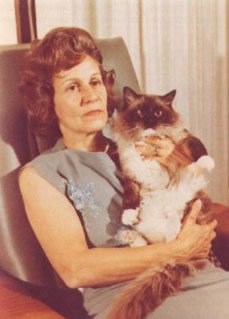
What Is a Ragdoll Cat?
The Ragdoll cat is a large, semi-long-haired cat breed that originated in California in the 1960s and was developed with a strong emphasis on temperament. Selective breeding focused on producing cats with an unusually calm, tolerant, and people-oriented nature, resulting in a breed known for its relaxed disposition and close attachment to humans. Physically, Ragdolls are recognised for their substantial size, soft silky coat, and distinctive blue eyes, all of which are defining characteristics of the breed standard.
Unlike many cat breeds, Ragdolls mature slowly and may take up to four years to reach full physical and behavioural development. During this extended growth period, changes in body size, muscle mass, coat length, and colour continue gradually. This slow maturation affects long-term care, nutrition, and grooming needs and is one of the reasons Ragdolls are best suited to stable indoor environments where their calm temperament and developmental needs can be properly supported.
Core Characteristics of the Ragdoll Cat
| Characteristic | Description |
|---|---|
| Size | Large, solid build with broad chest and sturdy bone structure |
| Coat | Semi-long, silky texture with a low-density undercoat (lower matting risk) |
| Eye Colour | Blue only (breed standard) |
| Temperament | Calm, affectionate, people-oriented, gentle |
| Activity Level | Moderate; prefers interaction over high-energy play |
| Vocalisation | Soft and infrequent |
| Lifespan | Approximately 12–17 years with proper care |
Ragdoll Temperament and Personality
Ragdoll cats are best known for their exceptionally gentle and affectionate temperament. They are highly social cats that prefer human company and often follow their owners from room to room.
Typical behavioural traits include:
- Strong attachment to family members
- Tolerance toward handling and children
- Calm response to new environments
- Low aggression and minimal territorial behaviour
Ragdolls are not aloof or independent cats. They thrive in households where they receive regular interaction and are not well suited to being left alone for extended periods.
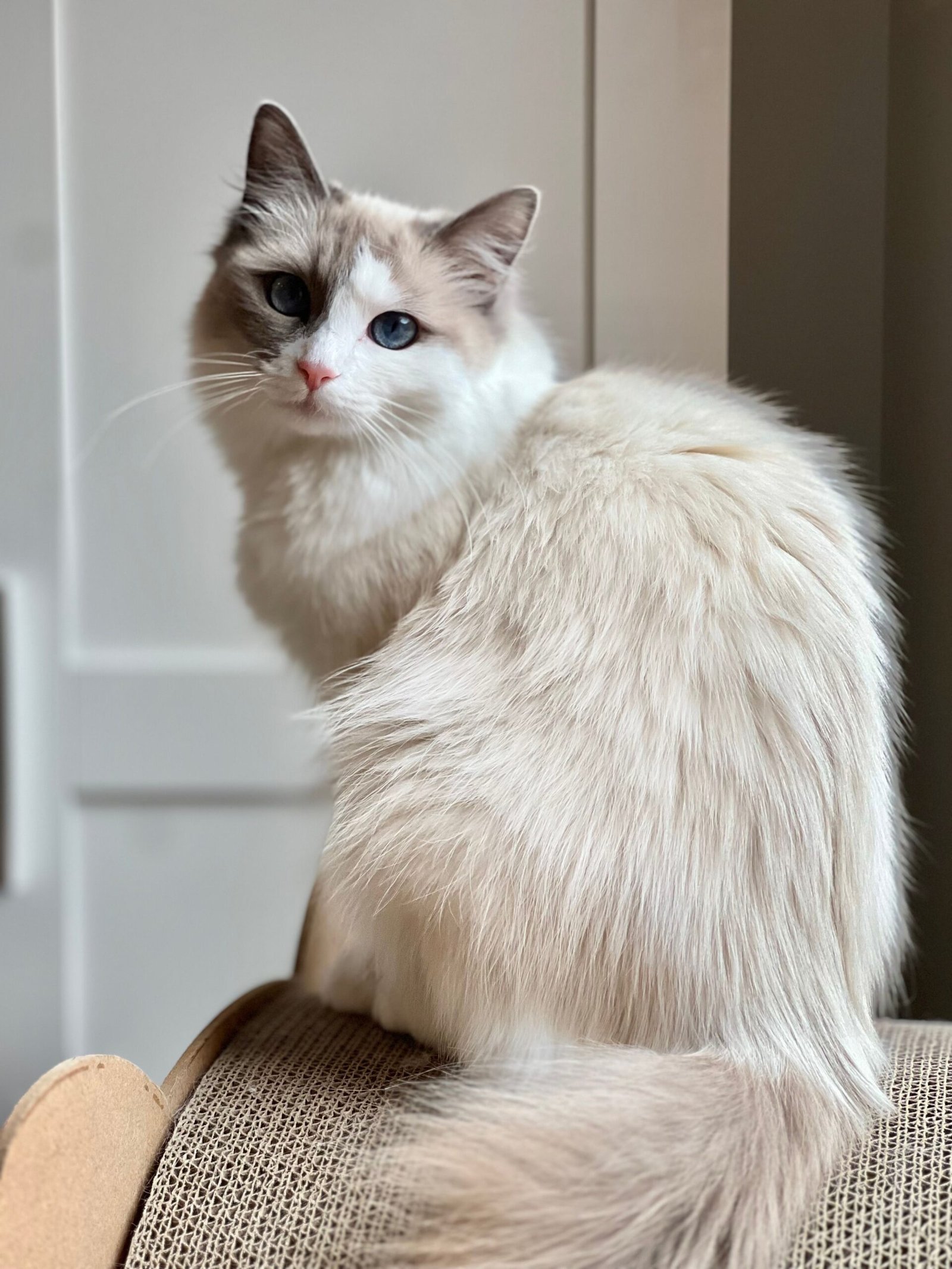
Physical Appearance and Coat Type
Ragdolls are large, muscular cats with broad chests, sturdy legs, and long bodies. Their coat is one of their defining features: soft, silky, and less prone to matting than many long-haired breeds due to a reduced undercoat.
Colour Patterns
Recognised Ragdoll patterns include:
- Colourpoint
- Mitted
- Bicolour
- Lynx
- Tortie (female only)
All Ragdoll kittens are born white. Colour and pattern develop gradually over time and may not be fully visible until adulthood.
Long Haired Ragdoll Kittens: What to Expect
Although the breed is officially classified as semi-long-haired, many owners refer to long-haired Ragdoll kittens due to the visible fluffiness that develops as the kitten matures.
Key points:
- Coat length increases significantly between 6 and 24 months
- Texture remains silky rather than woolly
- Matting risk is lower than that of Persian-type coats
Regular grooming from kittenhood helps maintain coat quality and reduces shedding.
Ragdoll Kitten Care and Daily Needs
Grooming
- Brush 2–3 times per week
- Increase brushing during seasonal shedding
- Trim nails every 2–3 weeks
- Clean ears and monitor eye discharge
Nutrition
Ragdoll kittens require:
- High-quality, protein-rich kitten food
- Controlled portions to prevent rapid weight gain
- Consistent feeding schedules
Due to their size and calm nature, Ragdolls are prone to obesity if overfed or under-exercised.
Exercise and Enrichment
While not highly energetic, Ragdolls benefit from:
- Interactive play sessions
- Climbing structures and scratching posts
- Puzzle feeders to encourage movement
Health Considerations in Ragdoll Cats
Ragdolls are generally healthy but, like all purebred cats, have known genetic predispositions.
Common concerns include:
- Hypertrophic cardiomyopathy (HCM)
- Weight-related issues
- Urinary tract problems
Responsible breeders screen breeding cats for inherited conditions. Regular veterinary checkups and weight monitoring are essential for long-term health.